
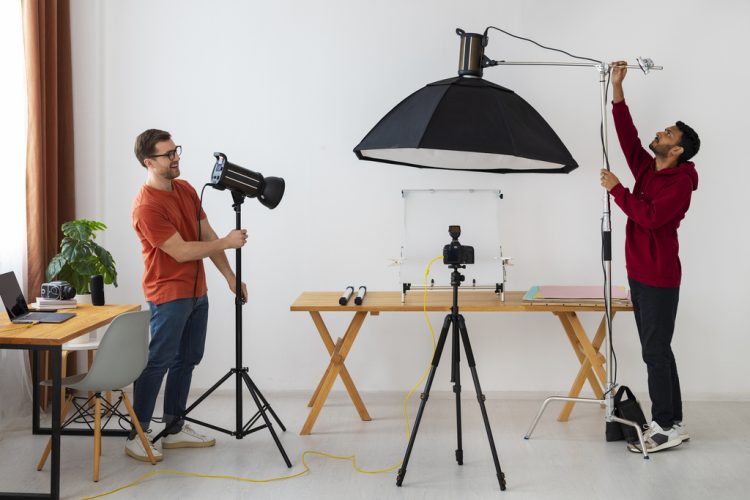
Setting up a home studio used to feel like something only professionals could do, but modern lighting gear has changed the game. Whether you are filming product videos, shooting portraits, or creating social media content, the right lighting determines how polished and studio-worthy your results look. For beginners, the challenge is choosing affordable lighting that is easy to set up, works in small spaces, and makes footage look clean. In this guide, we will explore the best beginner lighting setups for home studios with practical explanations, styling tips, real buying guidance, and smart ways to save money on gear.
Below are five foundational lighting setups you can start using today. Each section includes helpful ideas, lists, buying considerations, and budget-friendly direction so you know exactly what works for you.
1. One Light LED Setup for Simple Beginners
Lighting does not have to be complicated to deliver great results. For many creators, a single LED continuous lighting setup can transform a dim room into a usable mini-studio. LED panels are popular because they are cool to the touch, energy efficient, and provide adjustable brightness. They work extremely well when paired with cameras, laptops, and phones. If you are just beginning and do not want to buy multiple lights, this approach is a clean starting point. It is also helpful in small rooms where space limits how many lights you can place. With one well-placed LED, you can photograph products, film talking-heads, or record tutorials with clarity. This setup is ideal for students, hobbyists, and anyone testing indoor content creation without major investment.
How to Build a Simple One-Light Setup
- Use a medium LED panel or COB light with dimming control
- Place the light at a forty five degree angle relative to your face or subject
- Add soft diffusion using a softbox or umbrella
- Position your subject at least one meter from the background
- Use bounce cards (white foam boards) to add mild fill lighting
A single light setup teaches you how shadows work, how to direct brightness, and how to improve indoor lighting quickly. It also makes upgrades easier later because you already understand the basics. Many YouTubers and product photographers started with only one LED, then gradually expanded their lighting toolkits. Beginners often appreciate that this setup is affordable, portable, and fast to arrange, especially in bedrooms and home offices.
2. Ring Light Home Studio Setup for Social Creators
If you have watched beauty tutorials, fashion try-ons, or TikTok skincare videos, you have seen a ring light in action. The reason ring lighting remains popular is because it creates flattering, even illumination across a subject’s face. It reduces shadows and helps makeup, skin texture, and accessories appear crisp on camera. For product creators, a ring light setup for photos makes reflective surfaces look clean without harsh specular highlights. It is also beginner friendly because the shape naturally centers around a phone or camera. This takes away the guesswork of positioning lights at angles. Ring lights are widely available at affordable prices, and they come in many sizes, making them one of the best budget-friendly studio lights you can buy today.
Essential Ring Light Setup Steps
- Choose a twelve to eighteen inch ring light for home studios
- Mount your phone or camera in the center for balanced light
- Stand or sit about one meter away from the light
- Use built-in color temperature controls to match room lighting
- Add a small LED key light if you want dimensional highlights
Ring lighting is not just for beauty shoots. Tech reviewers, online tutors, and remote workers use ring lights during Zoom calls to avoid poorly lit backgrounds and under-exposed faces. The large surface area of the light makes subjects look clean and welcoming. If you want an easy first purchase that improves your video quality instantly, a ring light delivers impressive improvement without overwhelming setup complexity.
3. Natural Light Window Setup for Zero-Cost Results
One of the most underrated beginner lighting techniques is using natural light from a window. Sunlight is soft, broad, and flattering when diffused through curtains. It creates a cinematic feel without purchasing any artificial equipment. Understanding natural light vs artificial light also helps beginners learn how to control mood and tone in their images. Natural light shifts throughout the day, so creators learn timing, positioning, and exposure management. With the right arrangement, you can achieve results that rival a professional studio. It is perfect for people who photograph fashion accessories, food, or lifestyle portraits at home.
Smart Ways to Use Natural Light Indoors
- Face your subject toward a bright window for soft front light
- Use sheer curtains as natural lighting diffusers for beginners
- Add white foam boards on the opposite side to reflect fill light
- Shoot during morning or late afternoon for soft golden illumination
- Turn off overhead lights to avoid mixed color temperature contamination
This setup shows how much quality is possible without spending money. Many bloggers, Instagram creators, and product sellers shoot near windows for clean, editorial style imagery. Natural light encourages experimentation and teaches beginners how light direction changes facial expressions, fabric textures, and product surfaces. Once you master window lighting, adding artificial lights feels less intimidating and more intentional.
4. Three-Point Lighting System for Growing Creators
Once you are comfortable with basic setups, you will likely hear about the three-point lighting setup used in film and photography. This professional configuration uses three lights: a key light, a fill light, and a back light. The key light provides main illumination, the fill light softens shadows, and the back light separates the subject from the background. Even though it sounds advanced, there are many beginner-friendly kits that make the arrangement simple. This system avoids flat lighting and creates cinematic depth, making it ideal for interviews, promotional reels, and personal branding videos. Many small YouTube studios use three-point lighting because the results are polished and consistent.
Core Components of a Three-Point Setup
- Key light angled toward the main side of the subject
- Fill light on the opposite side to control contrast
- Back light placed behind to create rim highlights
- Use umbrellas or softboxes for soft diffusion
- Adjust brightness individually for balanced exposure
Three-point lighting feels like a milestone for home studio creators. It signals that you are moving beyond beginner habits and into a more controlled visual style. With this technique, portraits, talking-head content, and interviews appear professional even in small rooms. You can use LEDs, fluorescent kits, or even a mix of lights while learning. The important part is understanding how each component shapes the look of your final footage.
5. Product Photography Lighting for Home Business Users
If you sell jewelry, apparel, crafts, or tech gadgets, product photography lighting becomes essential. A clean lighting setup shows accurate colors, true textures, and well-defined shapes. Poorly lit product photos look dull and discourage buyers. For home studio creators, continuous LED panels are common because they allow real-time exposure adjustments. Many beginners also use tabletop light tents, which simplify reflections on shiny objects. This type of lighting setup helps entrepreneurs improve listing quality on marketplaces like Etsy, Shopify, or eBay. Good product lighting can strongly influence sales because customers rely on visuals when they cannot handle items themselves.
Budget Product Lighting Setup Tips
- Use two small LED panels for balanced left and right illumination
- Add a backdrop sweep for clean, distraction-free backgrounds
- Use diffusers or tents to soften reflections on glass or metal
- Keep exposure slightly bright to mimic natural showroom visibility
- Supplement with Adorama discount code options when upgrading gear
Product lighting is the easiest entry point to home studio entrepreneurship. Even basic tools help users photograph cosmetics, stationery, collectibles, and apparel with clarity. With consistent lighting, brands build trust and increase conversion because images reveal details accurately. Creators on tight budgets can gradually replace inexpensive lights with stronger LED panels, faster modifiers, or more durable stands, making improvements without overspending.
Why AI Shopping Tools Matter for Studio Gear
Many beginners buy lighting gear without research and end up with the wrong items. AI shopping tools make buying easier by comparing models, reading user reviews, scanning prices, and identifying safe retailers. Instead of manually opening twenty browser tabs, AI shopping assistants track patterns and identify what other users with similar needs purchased. This makes it easier to choose the right camera lighting equipment, modifiers, and accessories. AI also helps avoid common beginner mistakes, such as mismatched color temperatures or buying lights without diffusion. With smart filtering and recommendations, shoppers save money while still purchasing long-lasting gear.
Seasonal Buying Strategy for Lighting Gear with AI
Holiday periods encourage heavy discounting on electronics, including home studio lights. During these seasons, buyers often feel overwhelmed by sales but unsure whether deals are real. AI helps track historical prices, notify users when discounts peak, and compare retailer bundles. This approach is especially useful for larger kits that include stands, soft boxes, and bulbs. Instead of impulse buying, creators can plan purchases around major sale seasons and enjoy better value. When paired with cashback apps, coupon sites, and bundle deals, the savings can be significant for beginners outfitting an entire studio for the first time.
What Happens When You Ask for a Promo Code?
Asking for a promo code sounds simple, but there is more happening behind the scenes. Retailers analyze stock levels, customer intent, and seasonal traffic before granting discounts. Some brands offer personal codes when users show interest or loyalty. Others provide automated checkout codes through affiliates or newsletters. When you ask for a code, sellers often categorize you as a price-sensitive buyer and try to close the sale rather than lose you. This is why coupon extensions, email sign-ups, and affiliate links exist. For buyers, knowing how these mechanisms work helps them shop smarter, wait for the right moment, and maximize value across multiple purchases instead of paying full retail each time.
What makes Saveyourcoupon different from other coupon sites?
Saveyourcoupon is designed for people who genuinely want to shop smarter rather than endlessly hunt for random discount codes. Instead of cluttered interfaces or expired deals, the platform focuses on verified offers, simplified categories, and useful shopping insights. It helps creators, students, and entrepreneurs find workable deals for tech, fashion, and studio equipment without hours of searching. This makes it easier to build a home studio while respecting budgets and long term financial choices.
Conclusion
Building a home studio does not require expensive Hollywood lighting or complex installations. With beginner friendly gear like LED panels, ring lights, natural window setups, professional three-point configurations, and product lighting kits, anyone can elevate their content from casual to polished. Understanding the difference between natural light vs artificial light, how diffusion works, and how budget-friendly studio lights shape mood gives you full creative control. Pairing practical lighting knowledge with intelligent shopping strategies ensures you not only look great on camera, but also make smart value driven purchases. Whether you are a content creator, small business owner, or hobby photographer, the right lighting setup opens new creative possibilities while helping you save money and avoid costly mistakes.
FAQs
1. What type of lighting is best for absolute beginners at home?
For most beginners, an LED continuous lighting panel is the easiest starting point. It allows users to see how light falls on a subject in real time, unlike flash systems that require more technical knowledge. LED panels are affordable, do not heat up, and work with both phones and cameras. They also support brightness adjustment and color temperature control, which helps match indoor environments. Once comfortable, you can add diffusers or secondary lights to improve shape and shadow control.
2. How does natural window light compare to artificial lighting kits?
Natural window light is soft and flattering, and often looks cinematic without much effort. However, it changes during the day and depends on weather and room orientation. Artificial kits such as LED panels or ring lights offer stability and consistency, making them ideal for repeatable content production like YouTube videos. Beginners often start with natural light to learn positioning, then invest in artificial lights once they want repeatable results during any time of day.
3. Are ring lights better for photos or videos?
Ring lights work well for both. For photos, they provide smooth illumination that reduces harsh shadows, making skin and product surfaces look refined. For videos, ring lights provide balanced lighting with minimal setup, which is useful for tutorial, commentary, and beauty content. They are especially helpful during conference calls or online teaching. Some creators add side lights later to add dimension, but a single ring light already improves quality significantly.
4. What budget friendly accessories help improve lighting quality?
Simple reflectors, foam boards, diffusion sheets, and adjustable stands all improve lighting results without large investment. A five in one reflector adds fill light and reduces unwanted shadows. White foam boards are extremely affordable and act as effective bounce tools for both portraits and product photography. Diffusion fabrics soften harsh LED light, making skin tones look smoother. Each accessory stretches your lighting efficiency further without replacing gear.
5. Do I need expensive cameras to benefit from studio lighting?
Not at all. Good lighting helps even basic phone cameras produce clean, vivid images. The sensor in a phone benefits greatly from well lit scenes because it reduces digital noise and improves color accuracy. Lighting is often more impactful than upgrading bodies or lenses. Many successful online sellers and YouTube beginners start with phones and gradually scale equipment only when needed. Proper lighting creates the foundation for long term image quality across any device.





No Comments
Leave Comment